
VidMate
Free YouTube video & music downloader

ACTOR
Ze'ev RevachLevana FinkelsteinAliza RosenIlan Dar
DIRECTOR
Tal Granit,Sharon Maymon
SYNOPSICS
Mita Tova (2014) is a Hebrew,Italian movie. Tal Granit,Sharon Maymon has directed this movie. Ze'ev Revach,Levana Finkelstein,Aliza Rosen,Ilan Dar are the starring of this movie. It was released in 2014. Mita Tova (2014) is considered one of the best Comedy,Drama,Romance movie in India and around the world.
More
Mita Tova (2014) Trailers
 THE FAREWELL PARTY (Mita Tova) by Sharon Maymon, Tal Granit - TRAILER
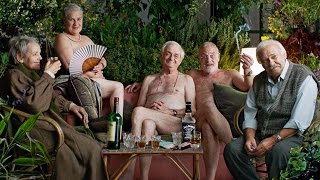 THE FAREWELL PARTY Trailer
 TEASER: film BLUE LIPS - ENGLISH subtitles
 Atlit / Rendez-vous à Atlit (2015) - French trailer
 Trailer THE GRANDMASTER VOSE
 Iron Man 3 (Trailer 3)
 El Hombre de Acero (Trailer Teaser JonathanKent)
![Borderless (2014): Official Trailer [Full HD]](http://i4.ytimg.com/vi/32oys1EOp2c/mqdefault.jpg "Borderless (2014): Official Trailer [Full HD]") Borderless (2014): Official Trailer [Full HD]
Borderless (2014): Official Trailer [Full HD] VOICE OVER (La Voz En Off) by Cristián Jiménez - TRAILER
 Attila Marcel Trailer
Same Actors

Mita Tova (2014) Reviews
An absolute must
This movie has brought be to tears - which is extremely unusual for me. Going through a similar process with my late father, I can say that the movie is very accurate. Such an amazing mixture of laughter and tears. So real, and so different from the run-of-the- mill, dime-a-dozen, Hollywood films. The kind of movie that provides you with real food for thought and a long lasting impression. I was greatly impressed by the very high quality of acting, direction, editing and cinematography, which is rare in the Israeli films landscape. I would most definitely rate is the best movie I've seen the past year.
It's time to laugh in the face of death
There are not many films that will make me ponder about my mortality. Sitting in the old- school cinema of The Projector last night, I think only Departures (2008) made me do that. About what exactly? About whether my life journey up to that point has yielded dividends in terms of significant milestones and character building; about whether I have laid the path ahead of me; about whether I have enriched my own life so that I can enrich others who crossed my path; about my legacy. Departures changed my life. Since then no other films have come along to make me contemplate the deeper aspects of my mortality. That is until last night. The Farewell Party (2014) opened the Israeli Film Festival here and what a film it was. I found myself laughing so hard at the antics and ideas, but I think I got ahead of myself here. The story is about a group of old friends living in a retirement home for old folks. Life is hard when they see their friends slowly dying from debilitating diseases. So a tinkerer tinkers out a self-euthanising machine to put the choice of life or death in the hands of terminally ill patients. Soon the rumours of the machine spread and more people ask for their help. The group of friends are now faced with a life and death dilemma. I think this gem of a film is what it means to laugh in the face of death. From the get go scene of a woman getting a phone call from God, me and my friends and a near full-house audience were laughing till our sides hurt. This is not rude humour of the Hollywood kind but sensitive and compassionate. By tackling the difficult theme of euthanasia through comedy, it provides a way into a labyrinthine can of worms. It feels real and genuine, not made up to gain sympathies. The tone is deftly maintained from the first scene to the last with nary a misstep. Nothing is overcooked; everything timed perfectly. It is warm and comforting; like snuggling underneath a warm blanket with your significant other in cold weather. There is joy coupled with deep sadness. Get ready to laugh through streaming tears. The writing is marvellous and effortless in a sense that the two writer-directors must have written this from a deep place of hurts but yet it doesn't want to wring your emotions dry. It rises above the common denominator and glides from scene to scene like an angel on wings. It is thorough but never exhausting. It dares to ask hard questions but never forces its ideas down your throat. Get ready to debate after the movie because you will want to. The acting by the ensemble cast is amazing. Watch out for a scene in which they wear nothing just to cheer a friend up. The exquisite balancing act is sheer masterclass. Not many directors would be able this pull it off and I think you really need to be an amazing human being to be able to do this, and we got two here. Tal Granit and Sharon Maymon were there last night with an illuminating post-film discussion. Their talk was candid, heartfelt and they shared from a deep place. I had a chance to talk to them later about a scene in which the actors did a song number that felt like the only misstep for me and you know what... their explanation convinced me it wasn't. Love the film; love them.
Moving and provocative
I laughed, I cried, I loved this film. Old people in a retirement home face illness and dementia every day. When the wife of a very sick friend tells the patent inventor Yehezkel that her husband is desperate to die and end the pain, Yehezkel builds an appropriate machine. The emotional and the moral aspects of helping with self-euthanasia come up. It's always subtle, or really painful, or funny-and the narrative is never longer than it should. There's even a scene with a song-and it is subversive and moving-brings Almodovar to mind. Great acting of everyone. There are some glitches in the Portuguese subtitles, but maybe not in English-and either way, it's not that bad.
"The Farewell Party" tackles in important topic with humor and heart.
A woman in a retirement home answers a telephone ringing in the hallway. The caller pretends to be God and asks the terminally-ill woman to continue her difficult medical treatments. "We currently don't have any vacancies," he says, referring to heaven. He adds that the woman's husband says "hello." The woman is shocked. "My husband?" she says. "I was never married." God quickly hangs up. This is the opening scene from the Israeli comedy-drama "The Farewell Party" (NR, 1:35) and it perfectly encapsulates what the movie is – a sometimes comedic look at the very serious topic of euthanasia. Yehezkel (Ze'ev Revach) is an old man who has several friends in a Jerusalem retirement home. As one of his friends lies in great pain and close to death, the man's wife begs Yehezkel to do something to help her husband. Yehezkel is a retired machinist. He researches and builds a euthanasia device which allows his friend to press a button and self-administer a drug that basically puts him to sleep. The old man is able to end his suffering and die with dignity. His widow is heart-broken, but grateful. What seemed like an ending, however, turns out to be only the beginning of the story for Yehezkel and his friends. Rumors about the old man's death quickly circulate around the retirement home. Yehezkel and his co-conspirators soon find themselves facing a series of moral dilemmas regarding helping to end the suffering of others. One man threatens to call the police if the group doesn't help his terminally-ill wife in the same way that they helped the first man. As it becomes clear that this will not be the last such request, they each have to come to terms with what they've done and decide how to react to what they're now being asked. As they begin to disagree about what to do next, and the circumstances start hitting even closer to home, the decisions become more difficult, and the dilemmas more profound. Neither the film nor its characters take this topic lightly, even though the script does have some fun with the various circumstances that present themselves. The movie's opening scene shows that Yehezkel (the voice of "God" on one end of that phone call) wants to preserve the life of his friends. Yet, out of respect for them, and probably wondering what he'd want if he were in their situation, Yehezkel and a few others choose what they see as the least terrible among some pretty terrible options. To keep the movie from being too depressing, and to make such a serious topic more palatable, the script allows us to see a little of the humor in the lives of these characters – and in some of their deaths – but with due respect. "The Farewell Party" tells an interesting story about a controversial subject and still manages to function well as entertainment. The film is more serious than the trailer, movie poster and title imply, but most of the humor is well-done and well-placed throughout the film. The script and direction of Tal Granit and Sharon Maymon balance the comedy and drama based on what's happening in the story at any given moment and the very talented cast makes it work. Still, just a few of the movie's light-hearted moments feel a little inappropriate and a sub-plot about a secret romantic relationship between two male characters seems unnecessarily distracting, but those are relatively minor complaints. Overall, this movie entertains the audience, while encouraging each audience member to think about a very important topic and how we each feel about it. "B+"
Hilarious examination of mercy killing
The Farewell Party was probably the funniest film at this year's Palm Springs film festival. It had to be. It's about euthanasia. By making it equal parts farewell and party the comedy made the sombre reality bearable. In an Israeli retirement home a modest inventor Yeheskel devises a machine to add a mortal combination to a hopeless patient's IV. The delicate operation is done by a heavy combination of gears and chains that looks like it would raise a drawbridge. That's a comic paradox akin to "mercy killing." He makes it for his old friend Max, who begs for release. The only doctor who will help is a vet, another resident. Yeheskel and his accomplices do not take their enterprise lightly. At every step it's a battle of conscience, to determine whether they're taking a life or saving it. It's a fight between the law and justice. When the home's administrator scolds them for an indecorous generosity, her piercing, personalized insults make their justice superior to her law. They're also supported by an incidental news report, which features the daily traffic mortality count — an unsolved problem larger than mercy killing — and the story of an 80-year-old man who with no other alternative killed his suffering wife then himself. Yeheskel's wife Levana is at first the most strenuously opposed to the death machine. But as she slips into humiliating dementia she comes to crave it herself. At the first sign of that Yeheskel destroys his machine. He won't use it on her. Or rather, for her. Then he remembers serving his beloved's needs should trump his own, so he rebuilds it to let her die in comfort and dignity. The framing story of one Zelda provides the religious context. In the first scene she gets ostensible phone calls from God, advising her to continue her treatments because there's not yet a vacancy in heaven. At the end she lets on that she knew it was Yeheskel all along. When she gets his treatment it's interrupted twice by power failures. She takes that as a sign from God and resolves to live on. Thus we contrive a higher power to direct us, i.e., to let us do what we want. Even these modest saints remain human, too. The vet's lover — who literally comes out of the closet — is venal enough secretly to collect a fee for the service. He's banished from the group and the affair. When Yeheskel gives his Levana the last "duckie kiss," it's what he gives his granddaughter. The characters' playfulness expresses their essential childishness, a vestigial joy and innocence. As Levana tells the administrator, "Their bodies are old but they're still children inside." To their credit. Retired from work and responsibility they're free to be young again however they can. That's the last joy in life. So, too, the old veterinarian is still trying to find a way to tell his mother he's gay. The fall setting outside reminds us that death is just a part of the natural cycle. That continuity also impels the musical interlude where the dead join the living to sing about Neverland. This marvellous film is required viewing for governments considering regulations to allow for assisted suicides. They all should be. .